Cameras, Part 2
Film photography
I’m sure it’s obvious from the last post what was coming next. I’d fallen in love with photography, bought too much gear, then decided to try out film.
As I said in the last post:
I like the physicality of going out to shoot. I like using all of the buttons on the camera, the knobs and dials and lens rings, to set up the shot just right.
So film really was the next step.
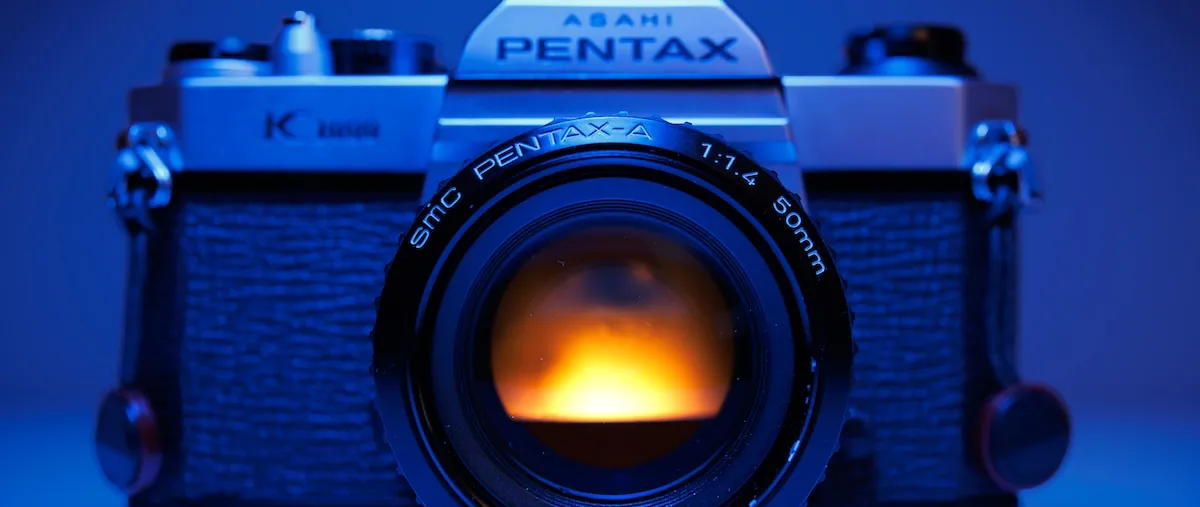
Pentax K-1000
Looking around at possible film cameras to get was pretty easy and the starting point was also quite easy: the Pentax K-1000. It’s a tank of a camera. All mechanical (except for the light meter), and all manual. There’s nothing extra here. You choose the shutter speed with a dial. Aperture and focus are set on the lens. There’s an ISO dial, but it only affects the light meter (which the camera will absolutely work without). Film advance and rewind are both done manually, too[1].
Frankly, it’s a joy to shoot with. My focusing screen is cracked, and the micro-prism focus dot is small and tough to use, but the sheer tactile nature makes it so much fun. It’s loud and everything clunks in incredibly satisfying ways.
Lenses
I bought the K-1000 at a local camera store in Columbus, World of Photography. If you can, I recommend visiting. It’s a wonderful store. The camera was kind of cheap, around $100, because of the cracked focusing screen but it did come with a lens. I mean, it came with the lens for the K-1000: the Pentax 50mm f/1.7. Except this particular one had some haze. And by some I mean a lot. It was super hazy and my entire first roll suffered for it (and half of the second).
So I found a better lens on eBay: a Pentax 50mm f/1.4. It’s basically the same lens with a wider aperture. It’s also a bit longer and heavier, but that’s not very noticeable when the camera itself is so chunky. I’ve shot mostly with this lens since getting it and it’s been wonderful. Since focusing manually is so tricky, I tend to not even use the wider aperture, but it’s so much clearer than the f/1.7.
After a while, and some bored scrolling on Facebook Marketplace, I found someone selling a set of Pentax K mount lenses for $60. Here’s what I ended up with:
- Vivitar 28-80mm f/2.8-3.8 - a decently fast, general purpose zoom lens. All manual, of course, and so heavy. The K-1000 and this lens together are around 4 lbs. It’s big, but very versatile and decently sharp.
- Quantaray 75-200mm f/4.5 - a nice telephoto zoom lens. Definitely on-par with a kit lens, so not super sharp and very tough to focus.
- Pentax 50mm f/2 - now I have 3 Pentax 50mm lenses! I didn’t care about this one in the bundle, I just wanted the first two but this one came along for the ride.
This guy was clearly looking to get rid of things (the best kind of Marketplace seller), and included a whole bag of goodies with the lenses. This bag included a 2x teleconverter for Pentax K mount, some filters that would fit the Vivitar lens, and an entire camera. Yeah, he gave me a Pentax ME Super, though a broken one. The electronics don’t work, even with new batteries installed, and without the electronics it’s basically a paperweight[2].
Konica FP-1 Program
Back in April, I took a drive out to Midwest Photo to pick up some developed film, then swung by World of Photography to buy some new rolls (and generally look around because it’s a fascinating store). Turns out I picked a great day to go since it was their 15th birthday. Anyone who spent at least $30 got a 50/50 chance to win a camera. I bought some film, rolled a die, and got my third film camera…
There were not a lot of remaining cameras at that point in the day (they had some set aside to give away), so I didn’t have a lot of choices. I picked the Konica FP-1 since it seemed like a nice counterpart to the K-1000. The Konica only shoots in program mode, so the camera decides on aperture and shutter speed and all I have to do is focus. It’s a manual point-and-shoot.
Unfortunately, as I think I’ve now discovered with used camera stores, the lens it came with (a 50mm f/1.4) was broken. It looked fine, but the aperture blades are all gummed up. While they will stop down, they will not open back up without a lot of force. This doesn’t work with the camera’s metering since it requires the aperture to be open to get an accurate reading, so I went to eBay and found a replacement (sort of): the Konica 40mm f/1.8, a nice pancake prime.
The Konica is fun to shoot with. It’s less about dialing in the settings and more finding interesting things to shoot. It really does work as a nice pair to the Pentax. It’s also crazy easy to use, even the film loading is fantastically simple.
So somehow I bought one film camera and ended up with 3, but only 2 that are functional. Weird how things work.
Film Development and Scanning
Shooting is all well and good, but after that is annoying.
I have not had the time or motivation to develop film myself[3], so I’ve been using Midwest Photo to develop and scan my rolls. They’re fairly priced and the results are fine. But development and scanning many rolls starts to add up, so I’ve been trying to take on some of the process and scan the negatives myself. After all, I have a mirrorless camera and a macro lens, how hard can it be?
Well, depending on what I’m scanning, kind of hard, actually.
I got a scanning kit that works with my macro lens, and I can take good shots of the negatives, but inverting them is the problem. Black and white scanning is easy. Import into Lightroom, crop out the borders, select “B&W” for each, then flip the curve and adjust per shot. Black and white scans look great!
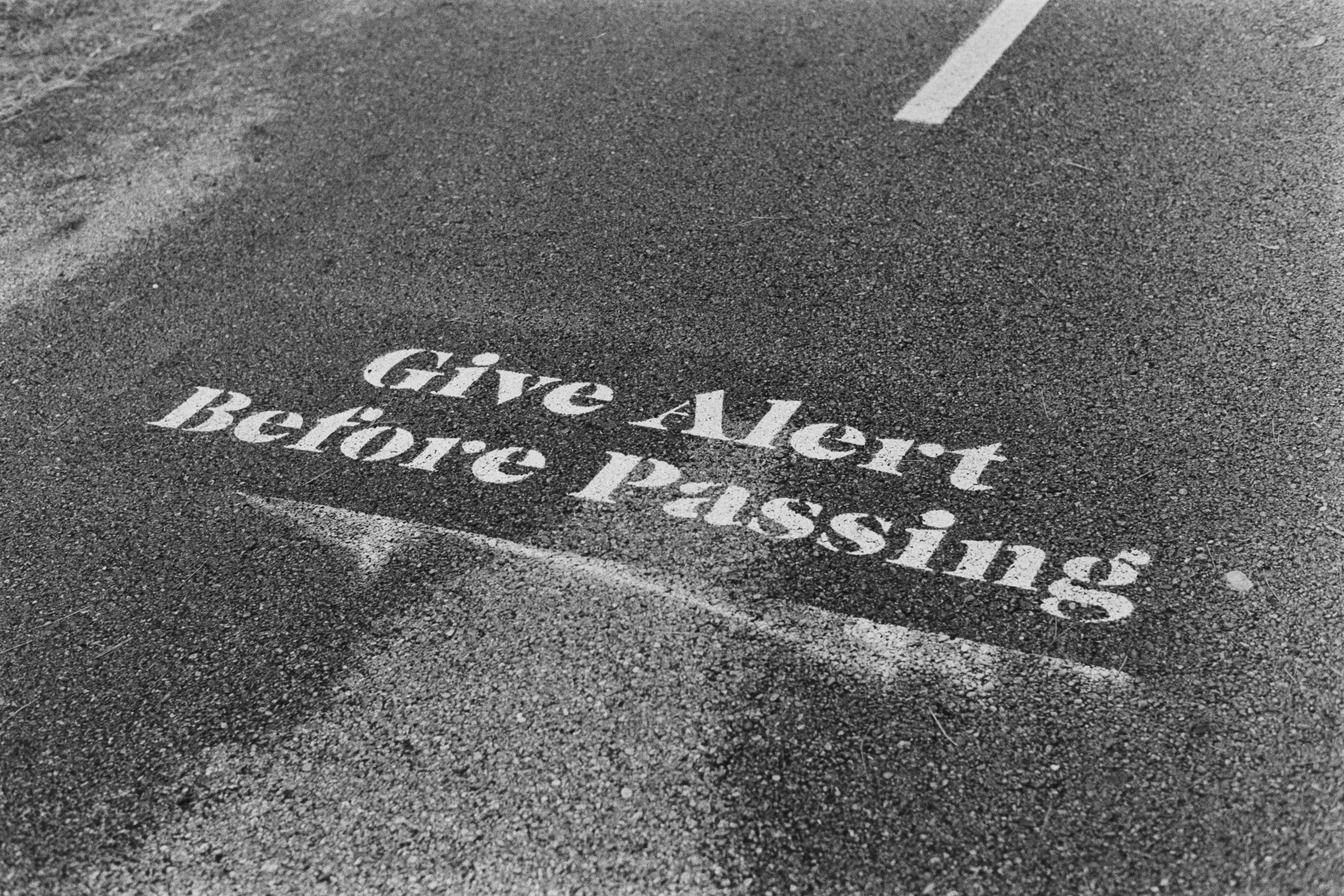
Color, on the other hand, is much harder. The film base causes a color cast that has to be dealt with specially. Just flipping one curve in Lightroom isn’t good enough. With a lot of practice, I’m sure I could dial in the right channel curves, but that’s such a mess and would need to be done specially for each film stock. The usual software solution for this seems to be Negative Lab Pro but that’s a plugin for Lightroom Classic (which I don’t use, though it looks like a standalone version might be on the horizon). I’ve tried plenty of software options with mixed results. FilmLab worked well for my last roll, but I’m not thrilled about another subscription. NegPy is complex but powerful, and is improving at a rapid pace.
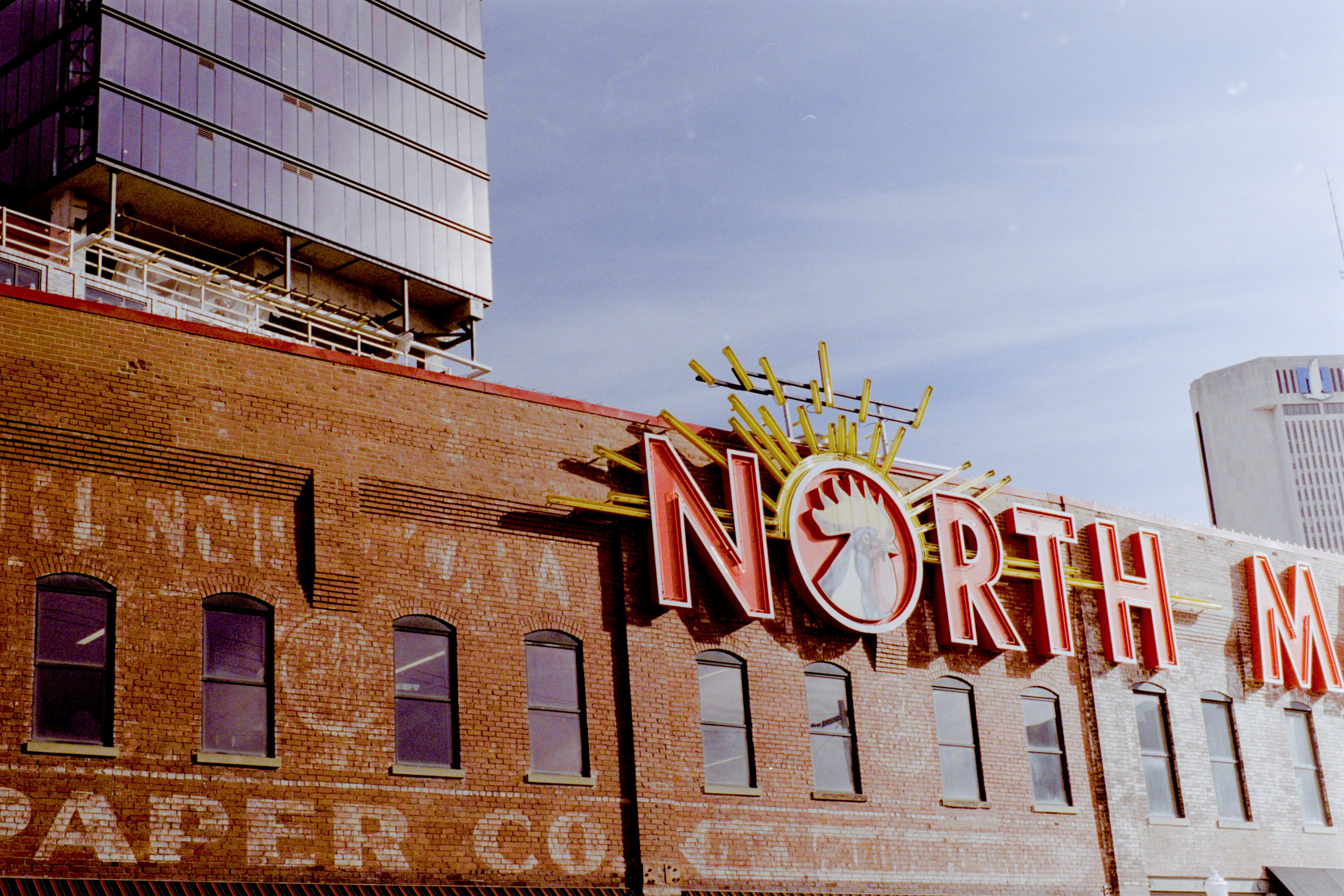
For reference, here’s the same scan from Midwest Photo:
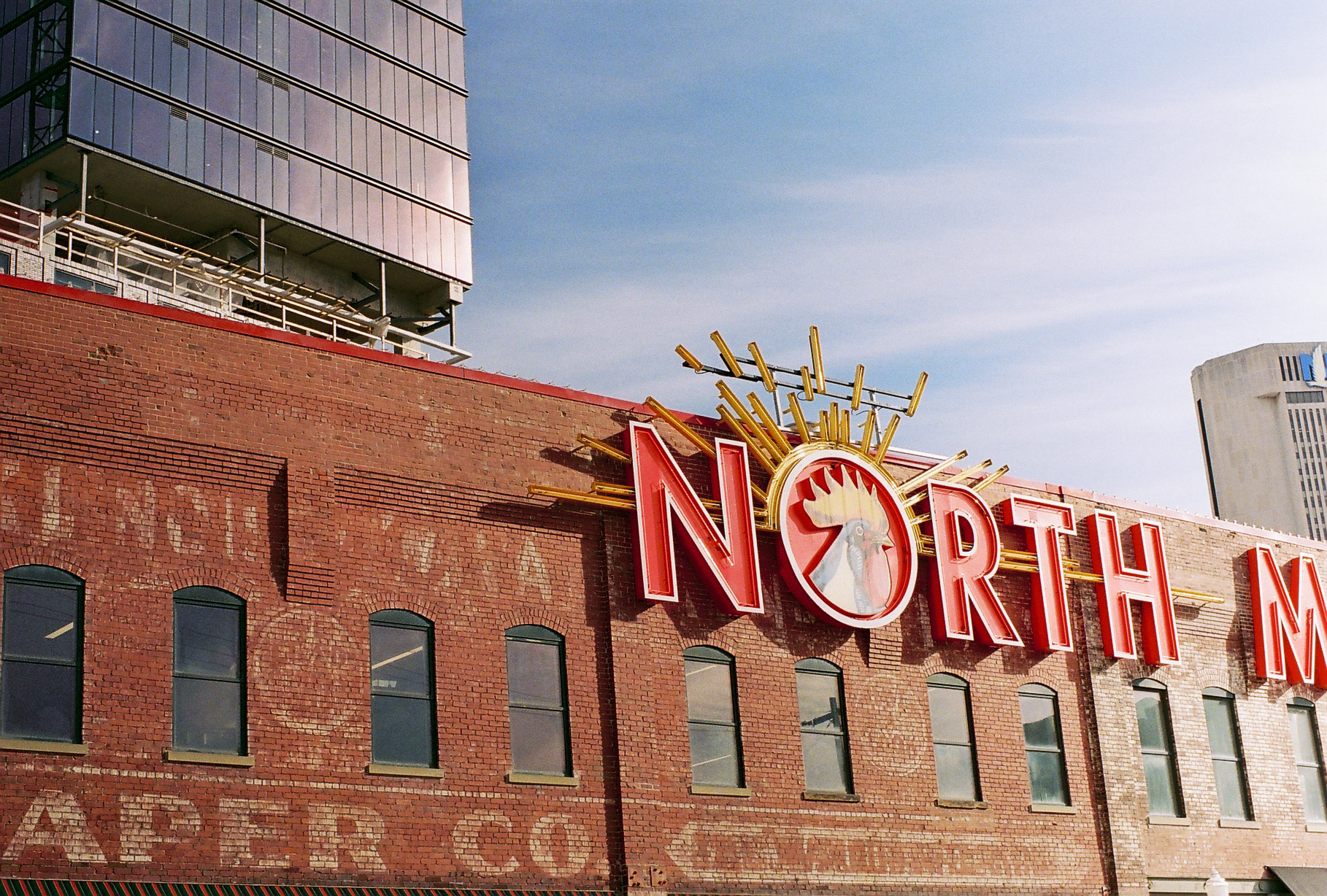
I’m getting better and I’m working out a process. We’ll see how the next roll turns out.
Film is fun, that’s why I do it. It’s not about being more in the moment or that film is more “real” than digital. It’s just more fun for me. I like the mechanical nature of the cameras. The sounds and feelings are just nicer. Digital is great and far more versatile (and way cheaper), but film is more enjoyable. If you have the money to spare, give it a try.
As an example of how manual this camera is, there is no off switch. The light meter is always active when it sees light, so to “turn the camera off” you simply put on the lens cap. Also since there’s no off switch, the shutter button is always active once the film is advanced. So to prevent accidental exposures, you have to not advance the film after shooting a frame. That one takes some getting used to. ↩︎
The ME Super shoots in aperture priority by default, which obviously won’t work without the electronics, but does also have a manual mode. Unfortunately, the manual mode isn’t mechanical, so when the electronics are dead it only shoots at 1/125 sec. So useless. ↩︎
Let’s be real, I’ll probably try black and white development at some point. We’ll see if I stick with it, but my biggest roadblock is that my house doesn’t have a utility sink and I don’t really want to use the kitchen sink for development chemicals. ↩︎